The Eurodream Megameter: From Madrid to Istanbul on the Same Train, Still Trapped in the Land of Utopias
that cross borders without stopping at customs or airports, a proposal that aspires to turn the train into the great engine of integration of the continent. However, the difference between what is desired and what is possible remains abysmal.
The rebirth of the old railway dream

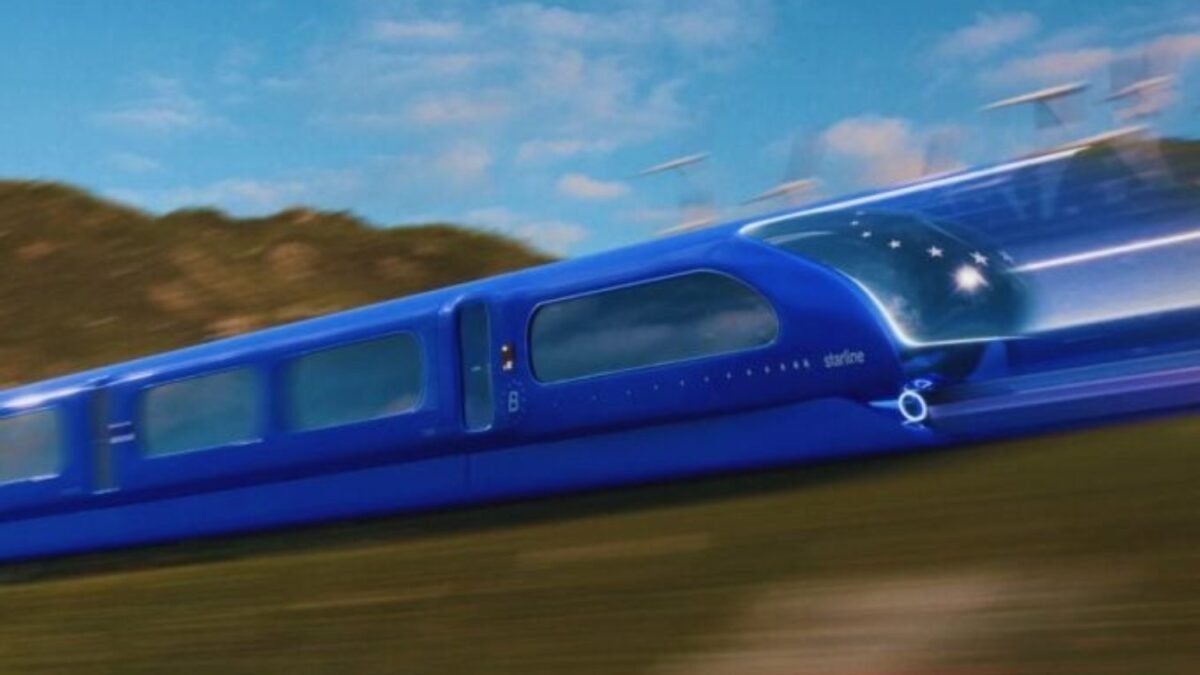
is not just a technological bet: it is the reincarnation of a Europe that, in the 21st century, seeks alternatives to planes and fragmentation. The idea is simple on paper: a train that works like , with lines connecting 39 capitals at speeds of up to 400 km/h, allowing travel from Madrid to Istanbul or from Lisbon to Warsaw without leaving the seat.
The design of wagons designed for work, rest, or family time, along with stations that would be cultural and commercial spaces, seem to point towards a new way of life. But the question remains: is it viable or is it just a carefully crafted dream?
The promise of an interconnected continent

comes at a time when Europe is looking to reduce emissions and replace short flights with more sustainable trains. On paper, the proposal is impeccable: each journey would reduce carbon footprint by 95% compared to airplanes, while allowing for four times more efficient freight transport than by road.
, they claim that stations would become economic engines, as has happened in China with its high-speed network. Museums, concert halls, or even sports stadiums at each station would reinforce the idea of infrastructure as cultural identity.
The problem of perfection

However, . Being a project born in an idea lab, it lacks the essentials: political will, funding, and a realistic timeline. To materialize it, it would be necessary to coordinate dozens of governments, railway companies, and European financial entities, a challenge that in the current political climate seems unattainable.
Thus, what sounds like a major bet for a blue train that would unite the entire Europe could end up in the drawer of utopias. Because, as critics remind us, what the continent needs today is not a new science fiction railway map, but for existing trains to run with the punctuality and reliability that travelers already demand.