Air Canada Chaos: Government Steps in to Stop Strike
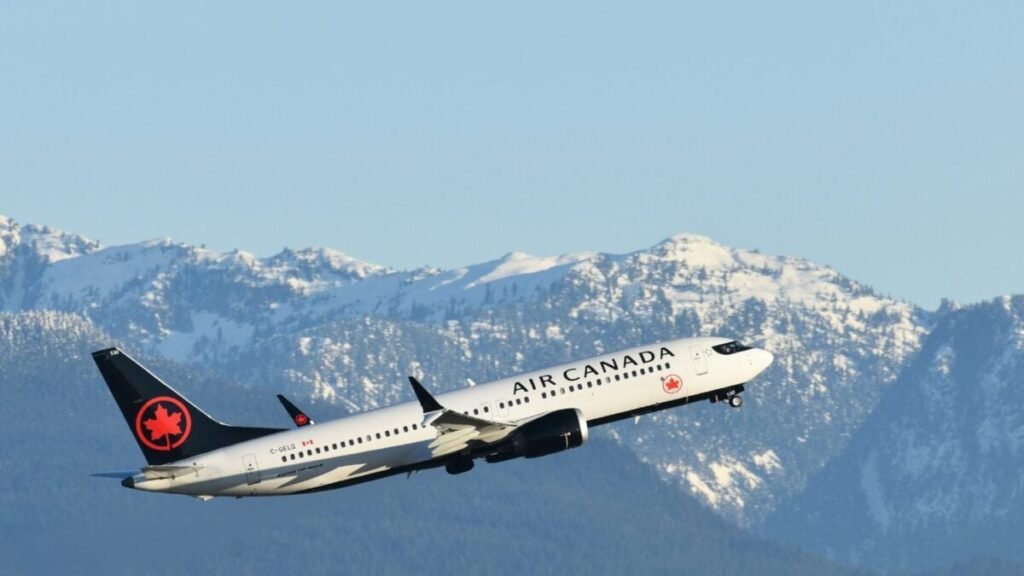
On Saturday, August 16, the country’s largest airline came to an abrupt halt. The 10,000 flight attendants of Air Canada decided to strike after months of tense labor negotiations, leaving more than 100,000 passengers unable to fly. Airports like Montreal-Trudeau were scenes of long lines, stacked luggage, and frustrated faces. The crisis hit during the peak travel season, with Air Canada moving around 130,000 people daily on nearly 700 flights. With grounded planes and canceled routes, the economic and social impact was immediate.
Government Intervention in Canada
In response to the chaos, the federal government took drastic action. Minister of Labor, Patty Hajdu, ordered mandatory return to work and the initiation of external arbitration. She explained that the risk of an economic collapse in the midst of the summer travel season could not be taken. Although the measure returns flight attendants to their positions, Hajdu warned that full service normalization could take several days, as it depends on the Canada Industrial Relations Board.
Background of the Conflict: Salaries and Inequalities
The root of the problem is not new. For eight months, Air Canada and the flight attendants’ union have been at odds over working conditions. The union claims that their salaries barely cover living expenses and that a significant portion of pre- and post-flight work is unpaid. Natasha Stea, a flight attendant and union president, was clear: “We can’t work for free. Pilots received a significant raise last year; why not us?” This comparison has fueled the gender inequality debate, as the majority of flight attendants are female. Air Canada attempted to avert the strike with an ambitious proposal: a 38% total compensation increase over four years, including benefits and pensions. The company argued that this would make their flight attendants the highest-paid in the country. However, the union deemed the initial 8% raise proposed for the first year insufficient, citing inflation drastically reducing workers’ purchasing power.
Passengers Trapped in the Conflict
Amidst the confrontation were the travelers. Stories like that of Alex Laroche, a 21-year-old with a trip to Europe at risk, reflect the human drama. “I thought about buying new tickets, but they cost more than double the $3,000 I already paid,” he lamented. While many passengers initially expressed frustration towards the union, upon learning the negotiation details, some began to show understanding towards the workers. A mix of indignation and solidarity highlights the delicate nature of the conflict.