
How Creativity Can Be Your Best Anti-Aging Therapy: The Science Explains
The Art of Staying Young from the Brain
In a recent study, an international team of neuroscientists —led by Agustín Ibáñez, from the Universidad Adolfo Ibáñez in Santiago, Chile— demonstrated that engaging in creative activities can help keep the brain young. The finding goes beyond traditional art forms and includes activities like dancing, music, and video games, as long as they stimulate imagination and coordination.
How Youthful Brain Age is Measured
The study focused on the concept of Brain Age Gap (BAG): the difference between chronological age and the estimated age of the brain based on its structure and neuronal activity. A negative BAG indicates that the brain “looks” younger than the person’s actual age.
To calculate this, researchers analyzed data from 1,240 participants to establish a baseline for aging, and then compared 232 individuals with high creative activity —such as tango dancers, musicians, visual artists, and video gamers. The creatives consistently showed a lower negative BAG, meaning younger brains compared to their chronological ages.
For the first time, science provides a biological basis for a well-known intuition that creativity is linked to youthful brain function.
The Creative Brain: Neuronal Gymnastics and Longevity
Activities like dancing, painting, playing an instrument, or creating music stimulate multiple regions of the brain simultaneously, including motor, emotional, and memory areas. This multi-activation enhances neuroplasticity, the nervous system’s ability to form new connections and adapt to change. Over time, this flexibility protects against neuronal degeneration and improves cognitive resilience.
“Developing creativity keeps the brain active in a comprehensive way: memory, coordination, and emotions synchronize in a sort of complete training,” explains Ibáñez.
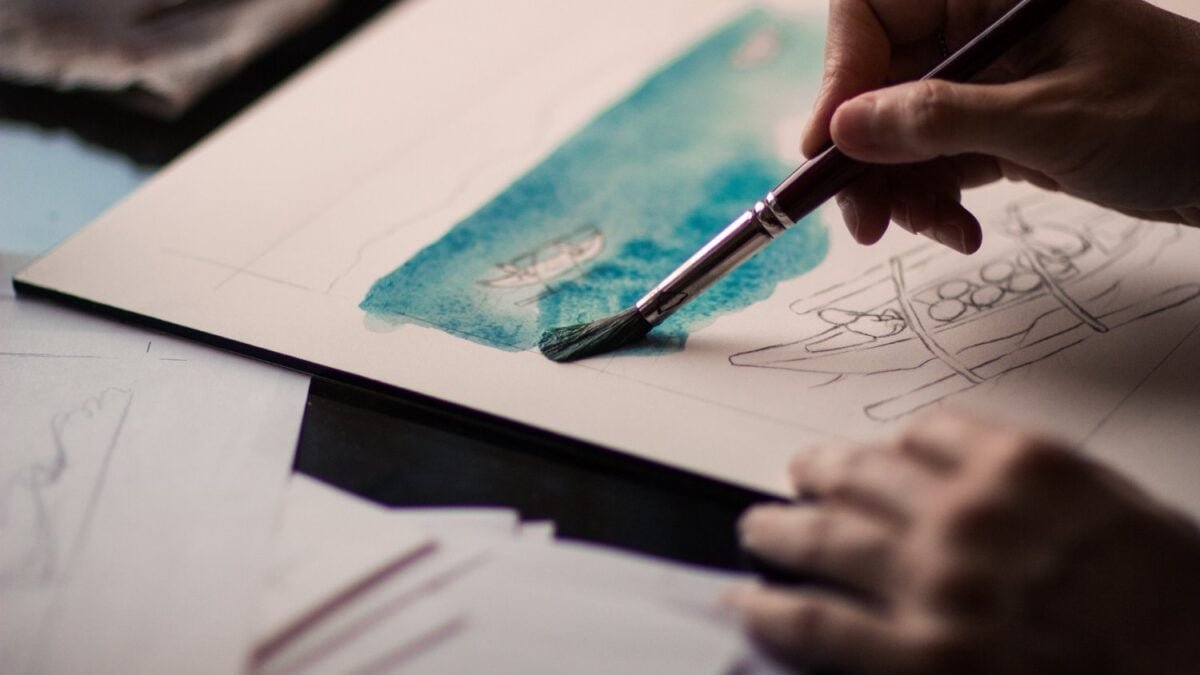
Activities like dancing combine rhythm, spatial orientation, and emotion; painting requires sustained attention and fine motor control; and video games stimulate decision-making and quick responses. All these activities essentially function as cognitive therapy with anti-aging effects.
From Mick Jagger to the Science of Well-Being
At 80 years old, Mick Jagger continues to perform energetically on stage. While his physical discipline is part of the secret, neuroscience suggests that his creative life may have contributed as much as exercise. The creative brain does not dim: it maintains curiosity, adaptability, and neuronal vitality.
Scientists highlight that accelerated brain aging is linked to a higher risk of neurodegenerative diseases. Therefore, stimulating creativity could become a key preventive strategy for healthy longevity.
An Accessible and Pleasurable Therapy
The most encouraging aspect is that creativity does not require professional talent. The key is active participation: dancing, writing, singing, drawing, or creating digitally. Every action that challenges the brain and triggers emotion helps to keep it young.
In the words of Ibáñez:
“It is not necessary to be an artist; it is enough to engage in activities that blend body, mind, and emotion.”
Thus, science confirms what human intuition already suspected: creating, in any form, not only nourishes the soul but also rejuvenates the brain.