After the Vesubio eruption: Living among the ruins of Pompeii
The eruption of Mount Vesuvius in 79 AD was a tragic event in history. Centuries later, archaeologists rediscovered the buried Roman cities of Pompeii and Herculaneum, uncovering a layer of history that had been overlooked.
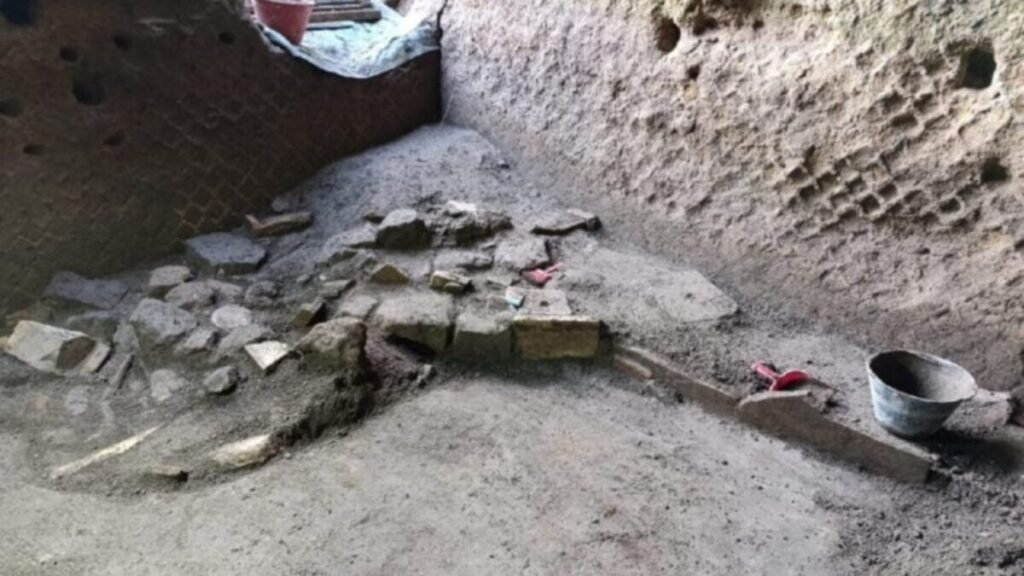
In the Insula meridionalis of Pompeii, evidence was found that people returned to live in the ruins of the city for centuries after 79 AD. This sheds light on events that have been overshadowed by the more well-known history of the city’s destruction.
People lived among the ruins, using upper levels of buildings while the ground floor served as a basement or cave for fires and other activities. This makeshift settlement lacked the infrastructure of ancient Rome but survived until the 5th century AD.
New excavations have revealed a clearer image of post-79 Pompeii, showing a precarious and gray settlement among the recognizable ruins. Emperor Titus attempted to promote the refoundation of Pompeii and Herculaneum, but the mission failed.
Archaeologists play a role in uncovering buried memories and parts of history that have been erased. This discovery prompts reflection on the archaeological unconscious and the importance of bringing hidden stories to light.