
The fire threatens more people: vulnerable population to wildfires grew by 40% in two decades
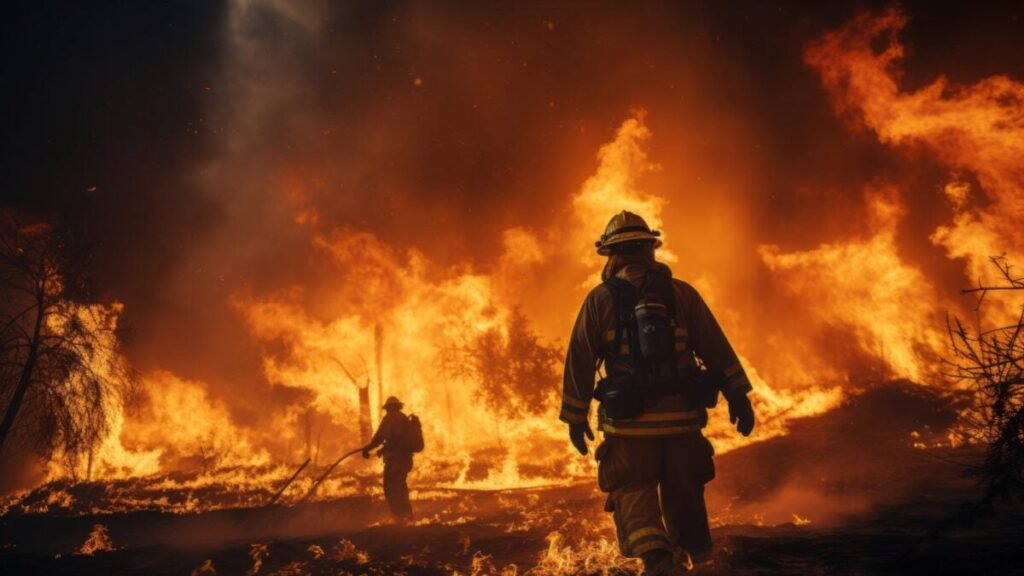
Rapid urbanization and climate change are reshaping the relationship between humans and fire. Far from being confined to rural areas, wildfires have become a global challenge threatening cities, infrastructure, and lives. A new study provides revealing data on how the vulnerable population continues to grow.
A troubling paradox
Between 2002 and 2021, 7.7 million more people were left. The total burned area decreased, but the expansion of cities into forested and rural areas increased the risk. According to researchers, the phenomenon is largely explained by population growth and the occupation of areas with a higher likelihood of fires.
In Europe, for example, the number of exposed citizens decreased by 17%, but the concentration in high-risk areas grew by 42%. In Spain, between 150,000 and 400,000 people live in areas with recurrent fire risk, turning each fire into a more direct threat.

Africa, global epicenter
Although wildfires in North America and Europe grab headlines, the . There, 85% of the world’s population exposed to fires is concentrated, due to the frequency of burns in tropical savannas, agricultural use of fire, and high population density in risk areas.
Five African countries account for over half of global exposure. In many cases, it is not about devastating fires, but the constant interaction between fire and human communities, which live with this risk on a daily basis.
More intense fires due to climate
The study warns that not everything is explained by the location of the population. Climate change has increased by 54% the number of days per year with, allowing a small focus to become a massive fire within hours.

Moreover, most current fires are caused by human factors: improperly extinguished cigarette butts, uncontrolled agricultural burns, or electrical failures, multiplying the risks.
What to do in this scenario?
Experts agree that the most severe fires can be mitigated with and proper urban planning. Estimating accurately how many people are at risk is essential to design effective strategies. However, some specialists question the study’s methodology for oversimplifying the definition of exposure.
Beyond the criticisms, the evidence points to a clear trend: the coexistence between humans and fires is no longer a rural problem but a global threat. In the midst of a climate crisis and rapid urbanization, learning to coexist with fire will be one of the great challenges of the 21st century.