
Cultural Superorganisms? Researchers believe humanity is entering a new evolutionary phase beyond genetics
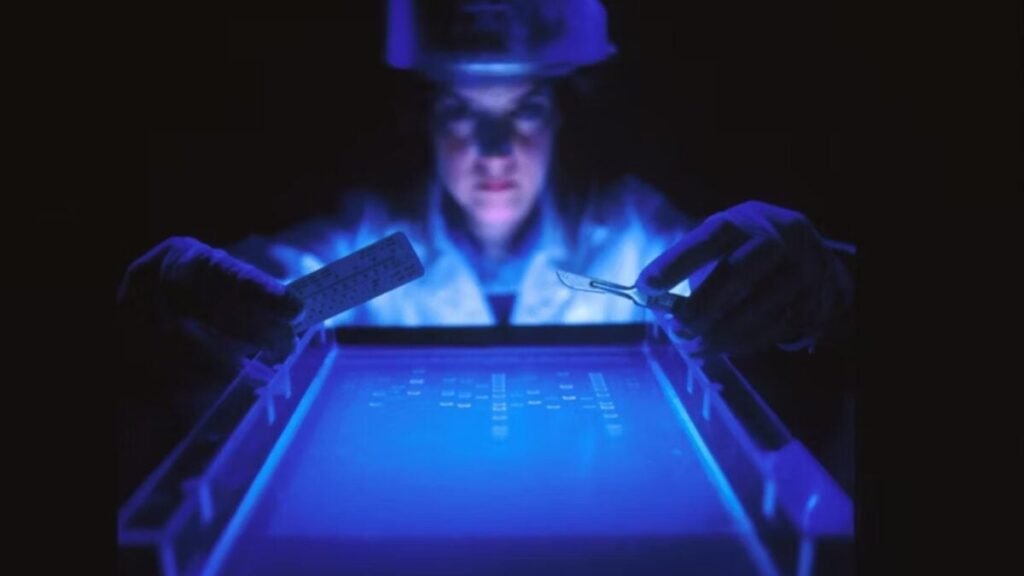
The idea that our destiny is completely driven by genetics may be becoming obsolete. A group of scientists claims that humans are no longer evolving primarily through mutations and inheritance, but rather through the culture we share. They suggest that culture is now the true driver of adaptation. If this is true, we may not only be facing a shift in scientific paradigm, but also a true revolution in how we understand evolution.
## The culture as the new evolutionary engine
For centuries, we were taught that genetics were the basis of evolution. Mutations, natural selection, and inheritance determined which individuals survived and which perished. However, Timothy M. Waring and Zachary T. Wood propose that humanity is moving away from that model. According to them, what defines our adaptation is no longer genetics, but rather culture.
They highlight everyday examples like glasses, cesarean sections, or fertility treatments. Limitations that once posed insurmountable obstacles are now overcome thanks to medicine and the transmission of knowledge. In other words, we survive less because of inherited biological traits and more because of the collective systems we have built.
## An evolutionary leap comparable to major life milestones
Waring and Wood argue that we are experiencing a change that could be on par with other major milestones in evolutionary history, such as the emergence of multicellular organisms or highly cooperative insect colonies. In the case of humans, the key trait is our ability to cooperate through increasingly complex cultural systems, to the point where society functions as a “superorganism.”
The coronavirus pandemic is cited as a clear example of this phenomenon. Millions of people acted in a coordinated manner in the face of an invisible threat, deploying what the authors call a “social immune system.” The greater the group cohesion, the faster it can adapt and respond to challenges.
Humans are now the primary force shaping evolution, surpassing genetic change by enabling rapid adaptation through shared practices, technologies, and institutions across societies.
## Implications and risks of the new transition
However, the researchers caution against blind optimism. Cultural evolution does not necessarily imply moral progress or beneficial outcomes for all. “Evolution can create both effective solutions and brutal outcomes,” they point out. In fact, the same technological advancement that saves lives can also lead to inequalities or global conflicts.
Currently, the team is developing mathematical models and simulations to measure the pace of this transition and assess to what extent culture will solidify as the main axis of human evolution. What is at stake is how we cooperate, survive, and organize ourselves as a species.
## The big question
If this shift is real, we would not only be experiencing a social or technological change, but an evolutionary leap comparable to the greatest in the history of life on Earth. The big question is whether we will be able to guide this transition towards a sustainable future or if, as in other critical moments, evolution will follow an unpredictable path.