
Solar Storms in Check: NASA Uses AI to Predict Space Weather!
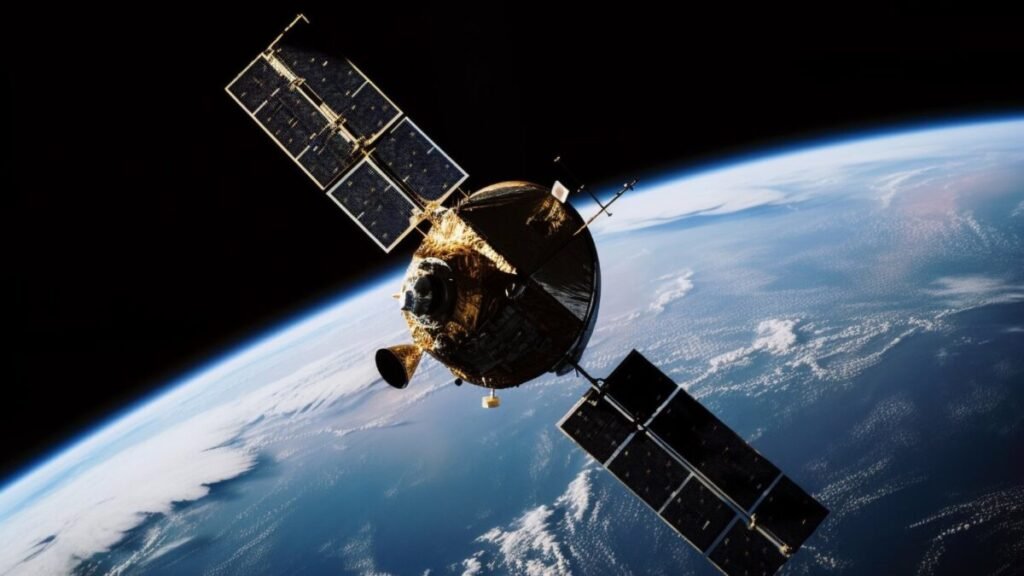
The Sun is currently going through its peak magnetic cycle, resulting in an increase in coronal mass ejections, auroras appearing at unusual latitudes, and potential risks to telecommunications and satellites. NASA has found a surprising ally in artificial intelligence to predict solar storms one day in advance, offering a new way to safeguard our technological infrastructure.
AI to Predict Solar Chaos
While Earth is protected by its magnetic field, satellites and astronauts are vulnerable to intense solar events that can disrupt global communications or endanger lives in space. NASA has been working with KX Systems, a company specializing in data analysis using artificial intelligence, to address this issue.
From the Stock Market to Deep Space
By utilizing the kdb+ tool, originally designed for the financial sector to detect patterns in volatile markets, NASA and KX Systems were able to experiment with predicting space weather and searching for exoplanets. By incorporating data on the ionosphere, solar activity, and Earth’s magnetic field, the system can now forecast disturbances up to 24 hours in advance.
A Lesson from the Past
The Carrington Event of 1859, the largest recorded solar storm, caused significant damage to the telegraph system. A similar event today could have devastating effects on power grids and communication networks. With a day’s notice, necessary protocols can be activated to protect satellites and ensure the safety of astronauts.
The advancements made by KX Systems in predicting satellite signal loss will not only benefit space security but also improve industrial efficiency by anticipating maintenance needs in factories.
Science, Prevention, and the Future
Solar storms are not just threats but opportunities to enhance our understanding of the Sun and improve our protective measures. Artificial intelligence serves as a valuable tool in navigating the unpredictable space weather environment, guiding us towards a safer future.
Source: [Original Source]